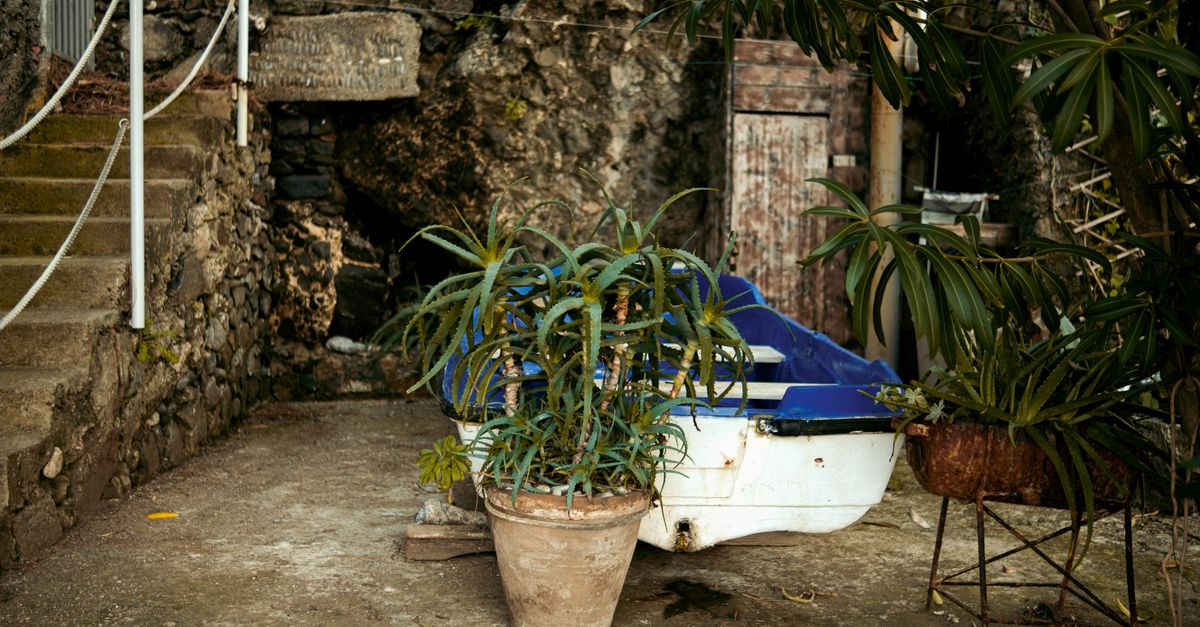
A garden near the coast asks different questions than one inland. Salt carried on the wind burns tender leaves, sandy soil drains before roots can drink, and summer sun is unforgiving by mid-morning. The plants that cope are the ones that accept those conditions without being nursed. Choosing them first saves more work later than any tool or schedule.
The second decision is layout. Raised beds and containers bring the soil up to waist height, which removes most of the bending from a short session outside. Grouping the thirstiest plants in one corner means a single walk with the watering can instead of five separate trips. A drip line on a simple timer takes even that away, and it keeps the routine steady on days when you would rather stay indoors.
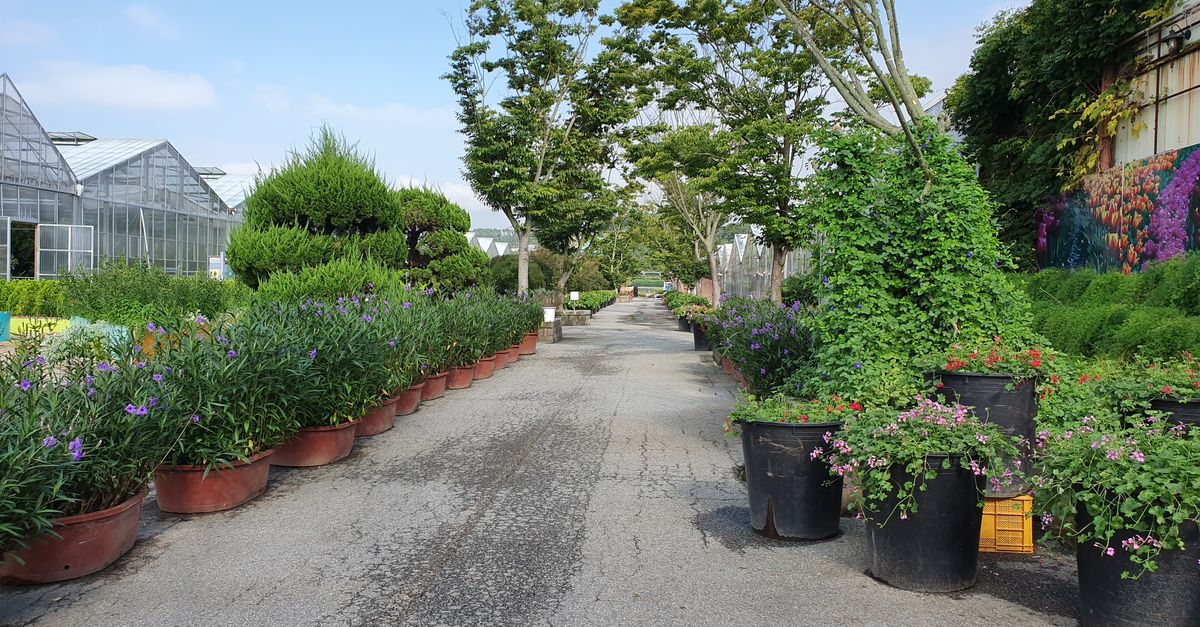
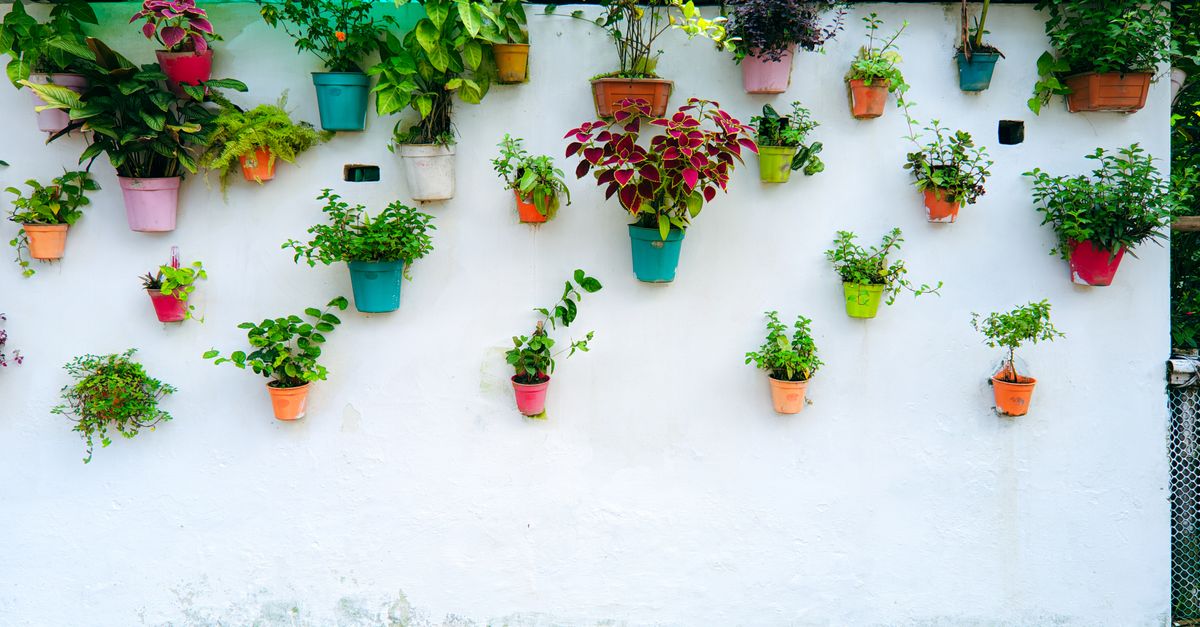
Wind is the quiet problem. A low windbreak of hardy shrubs along the exposed edge shelters everything behind it, and it does the job without blocking the view from a chair. The point of a garden this size is to be looked at, not to become a project. A short paved path, a few pots by the wall and one bench are usually enough.
For the heavier work, a gardener visiting once a month can clear, prune and move bags in a single session if the space is arranged for it. Keep the paths wide enough for a wheelbarrow, leave the cuttings pile in one known spot, and the monthly visit stays short and predictable.